REVIEWS
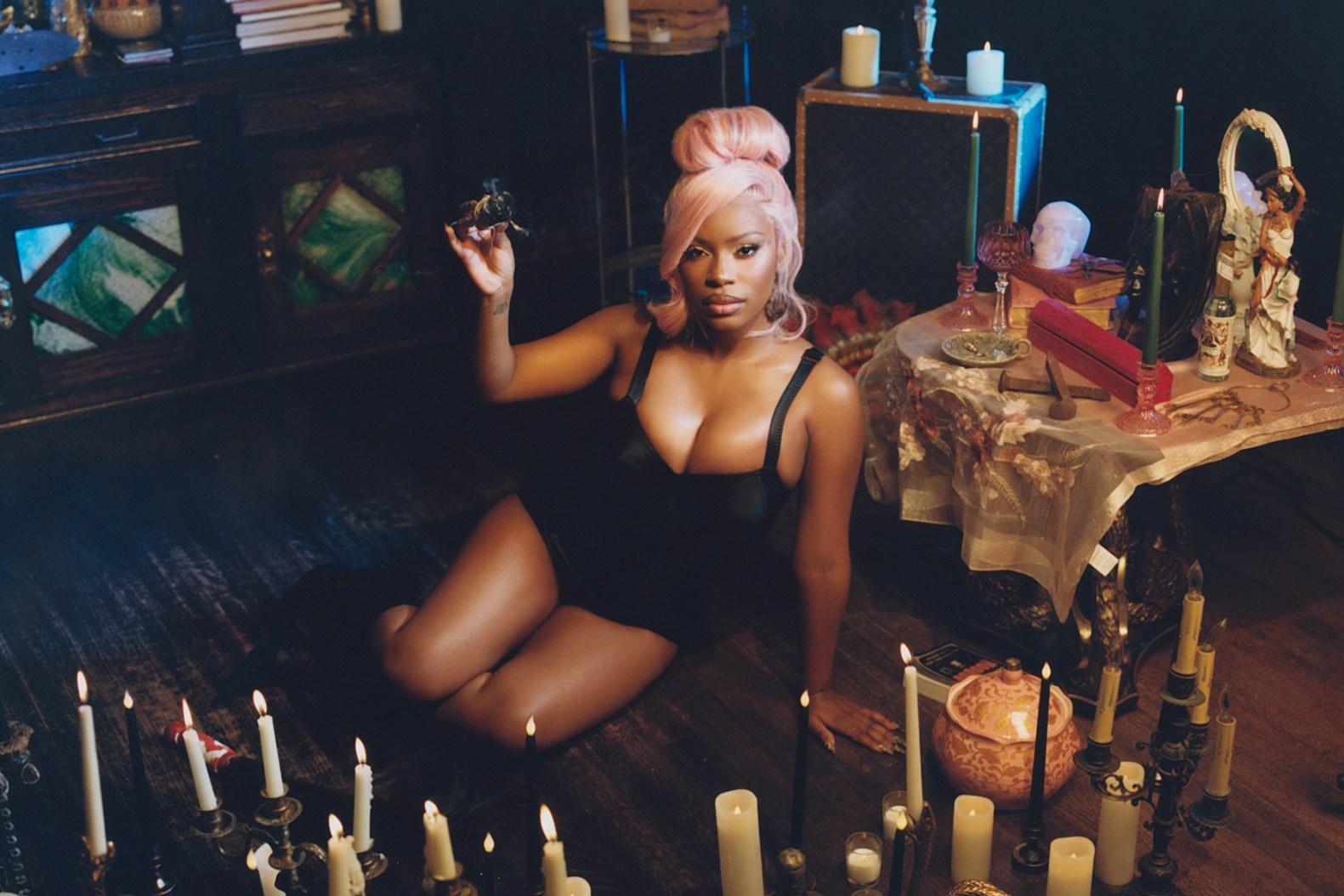
The Houston rapper stands out as a vivid storyteller over lively, old-school Southern hip-hop beats, though her ballads don’t quite reach the same heights.
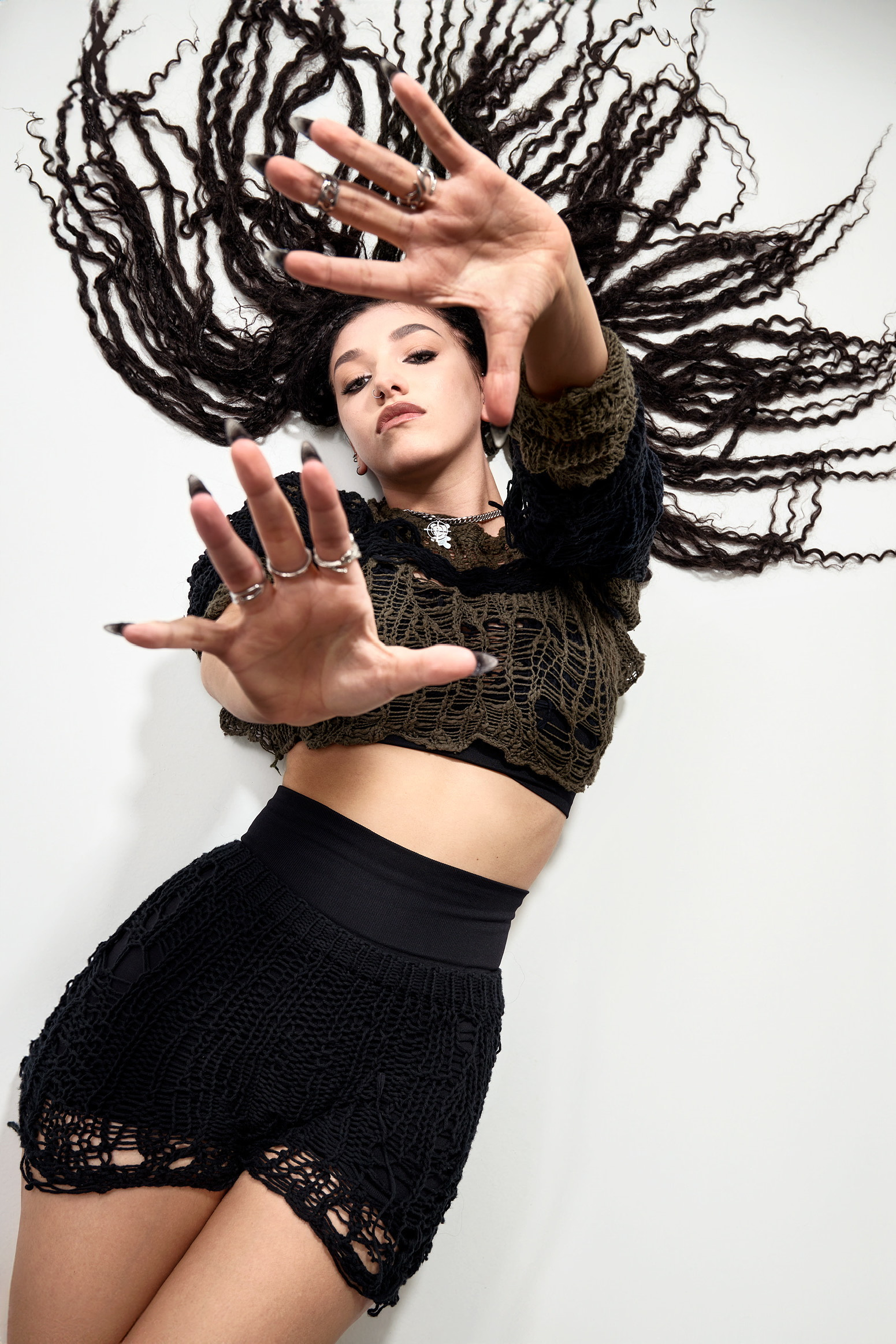
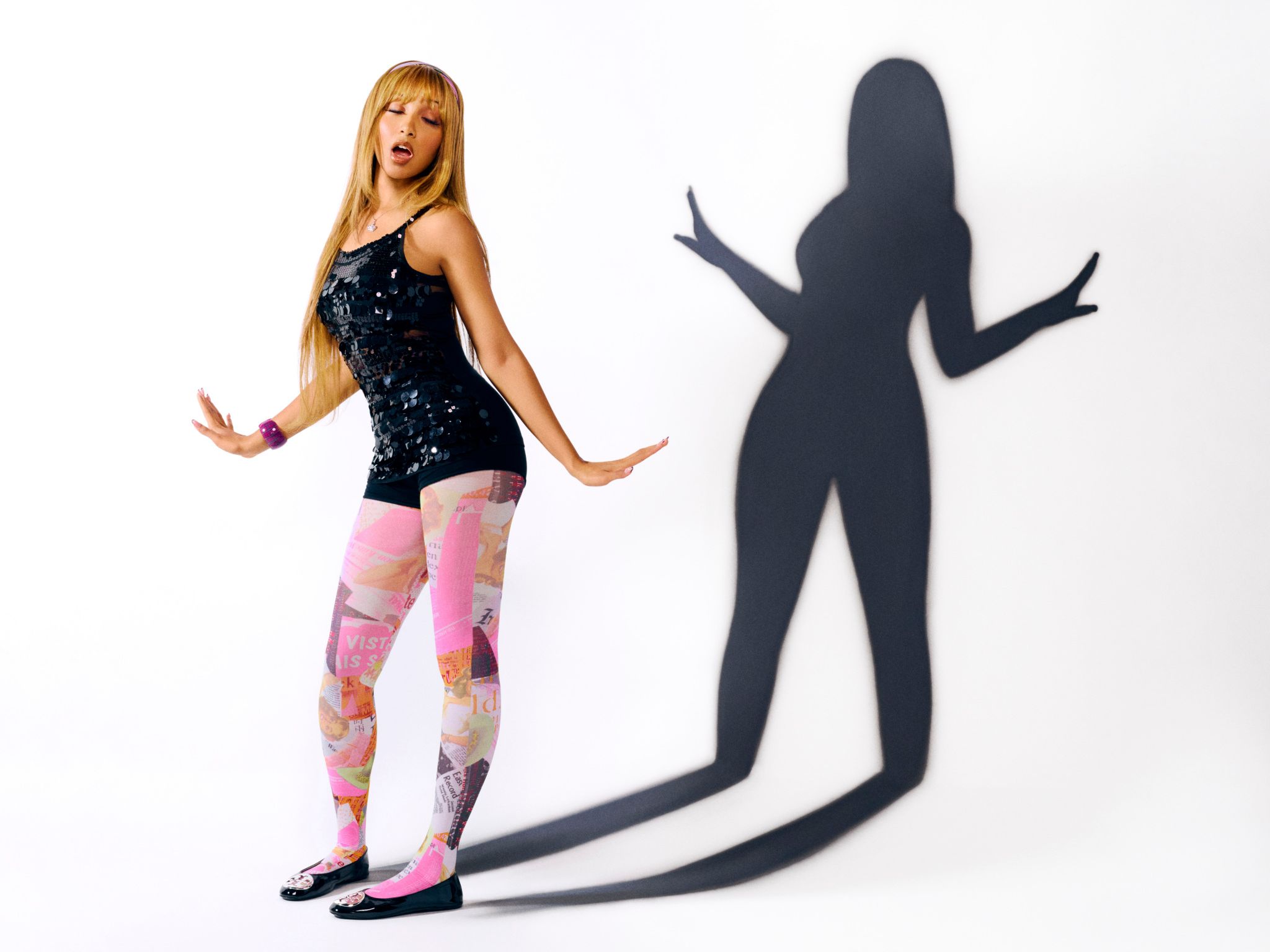
In another universe, Monaleo is striding into a courtroom, carrying a fuchsia briefcase, ready to defend a girl accused of running over her ex—at least, that’s what her mother once imagined for her. She enrolled Monaleo at Houston’s High School for Law and Justice, convinced her daughter’s way with words would make her an unstoppable defense attorney. “She thought I just had a way with my words,” Monaleo told Vulture in 2022. Her new mixtape carries that same sharp wit, but it also digs deeper, confronting questions of mortality and legacy. If Who Did the Body were a lawsuit, it would be a class action filed for the lost and overlooked, with their stories echoing through each song.
She sets the tone on the opener “Life After Death,” imagining a fight in the afterlife over a ghostly theremin sound and a bare-bones drum loop that could have been lifted straight from a YouTube producer. “Dignified” hits harder emotionally, turning fictional storytelling into a way of exposing Monaleo’s fears. “Fox News saying I was just a troubled star,” she raps, picturing headlines about a fatal car crash. “That should show you how you die might become just who you are.” But when the song shifts into its big, dramatic chorus, the syrupy electric guitars and heavy-handed delivery land awkwardly, like the soundtrack to a late-night PSA.
On her 2023 debut Where the Flowers Don’t Die, Monaleo leaned into piano and acoustic ballads to showcase her singing voice. And while her vocals are beautiful, these remain her weakest moments. “Locked In” trips over its clunky metaphors—“I was shooting in the gym, but what happens when I get sore”—which distract from her R&B flourishes. “Diary of an OG” offers a heartfelt look at the burden placed on eldest daughters, but the song doesn’t rise above the familiar conversations already happening online.
When Monaleo turns to rap, though, her storytelling sharpens. “Spare Change” is a modern-day fable, told with the flair of Slick Rick, exploring cycles of poverty and loss. She describes accepting a cop’s dismissive account of a homeless man’s death, only to notice his crying daughter nearby and realize the red cup beside him holds a single dollar, not alcohol. Years later, working at a funeral home, the narrator sees the daughter again, this time lifeless, with her pimp’s name tattooed across her chest. “Shake, shake/Don’t be stingy, spare some change,” Monaleo chants, her voice echoing the rhythms of a high school cheer squad. She’s calling for empathy and change without ever slipping into preachiness.
Throughout Who Did the Body, Monaleo’s love for her community—her family, her city, and Black America—radiates. “Open the Gates” sounds like a war cry for homegirls locked behind walls both physical and spiritual. “We on Dat” unites Houston legends Bun B, Paul Wall, and Lil Keke for a booming anthem produced by Merion Krazy, the same producer behind her breakout “Beating Down Yo Block.” On “Putting Ya Dine,” she turns Houston slang for enlightening someone into a Southern rap rallying cry that nods to late 2000s and early 2010s Atlanta, calling back to the glossy, synth-driven era of Soulja Boy. And then there’s “Sexy Soulaan,” a pro-Black anthem that throws down a line in the sand: non-Black people are told to stay out of Black spaces, the cookout invitation is revoked, and their absence is demanded so the joy can be fully their own. Monaleo’s references to Hoodoo and Black American cultural traditions deepen the song’s sense of rootedness and intimacy.
Her most electric moments feel like the rush of meeting someone whose humor mirrors your own—loud, inappropriate, and infectious. But outside of “Sexy Soulaan,” the mixtape leans too often on corny wordplay (“We linkin’, Abraham”) and weak similes (“Y’all got to livestream the service like I’m Kai”) that fall flat. Lizzo’s appearance on “Freak Show” helps lift the energy. Over a rattling xylophone beat that sounds like a haunted carnival at a strip club, Lizzo’s whisper-rap persona promises to seduce with gold-toothed grins and leave behind a chaotic trail, and the result is both funny and unhinged.
As playful as Monaleo’s music can be, Who Did the Body is ultimately about facing death head-on. Before pursuing music, she trained to be a forensic pathologist, and that proximity to mortality lingers throughout the project. Even when her verses lose steam, the production fills in the gaps, as on “Bigger Than Big,” where gospel-infused flourishes swell like the finale of Sister Act. Monaleo would rather overshare than hold back, throwing every thought—raw, joyful, or heavy—onto the table. If death comes tomorrow, she’ll have already said everything she needed to say.


.jpg)