NEWS
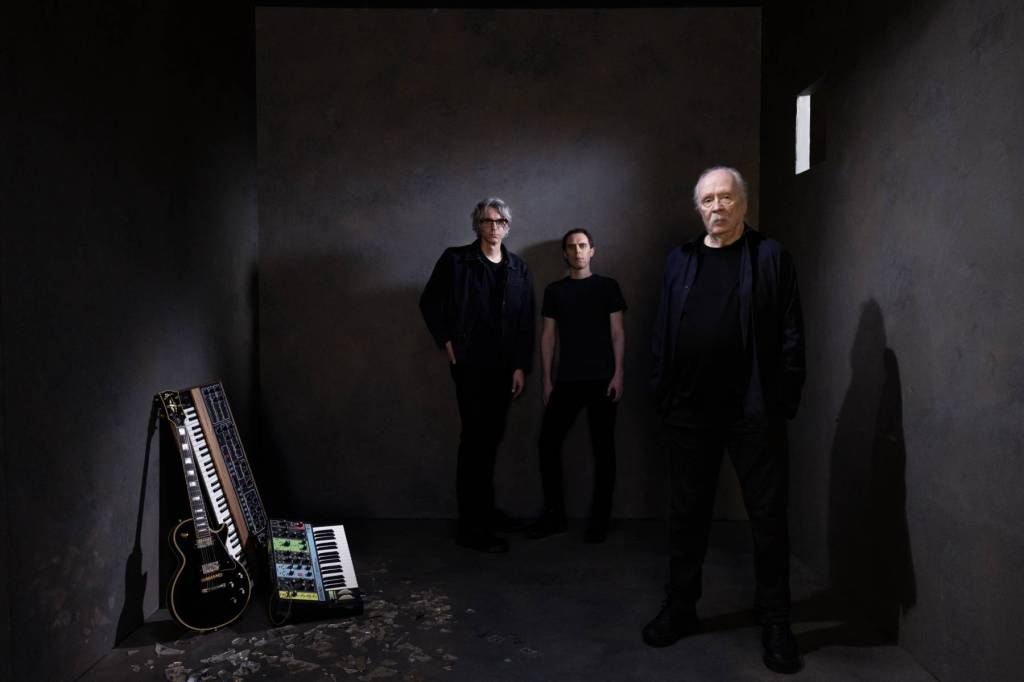
Cathedral is the first audio-visual project from the horror icon in years.
John Carpenter has not directed a movie in 16 years, and a quarter of a century has passed since he composed music for one of his own visual creations. That drought ends with Cathedral, which debuted Tuesday, Aug. 4, in graphic novel form before its accompanying soundtrack arrived Friday, Aug. 7.
Based on an unusually vivid nightmare Carpenter experienced several years ago, John Carpenter’s Cathedral centers on three police detectives who enter a demonic realm while searching for the truth behind an officer’s brutal killing inside an abandoned church.
Carpenter created the score for his first graphic novel alongside longtime musical partners Cody Carpenter, his son, and Daniel Davies, his godson. The book is also his first original visual work since the director released The Ward in 2010. Their earlier collaborations, including four entries in the celebrated Lost Themes series and scores for four movies from other filmmakers, frequently favored sparse and unsettling sounds. Cathedral takes a much heavier approach, with John, Cody and Davies delivering thunderous metal guitar riffs that complement the book’s nightmarish artwork.
The graphic novel was developed with Sandy King, Carpenter’s wife, longtime collaborator and founder of Storm King Comics, as well as writer Sean Sobczak. Federico De Luca and Luis Guaragna provided the illustrations, Sian Mandrake handled the coloring and Marshall Dillon created the lettering. The book works independently as a frightening story, but the Cathedral record, released through Sacred Bones Records, turns it into an absorbing experience for both the eyes and ears. For longtime followers of the horror filmmaker, it may be the nearest thing to a new John Carpenter movie in years.
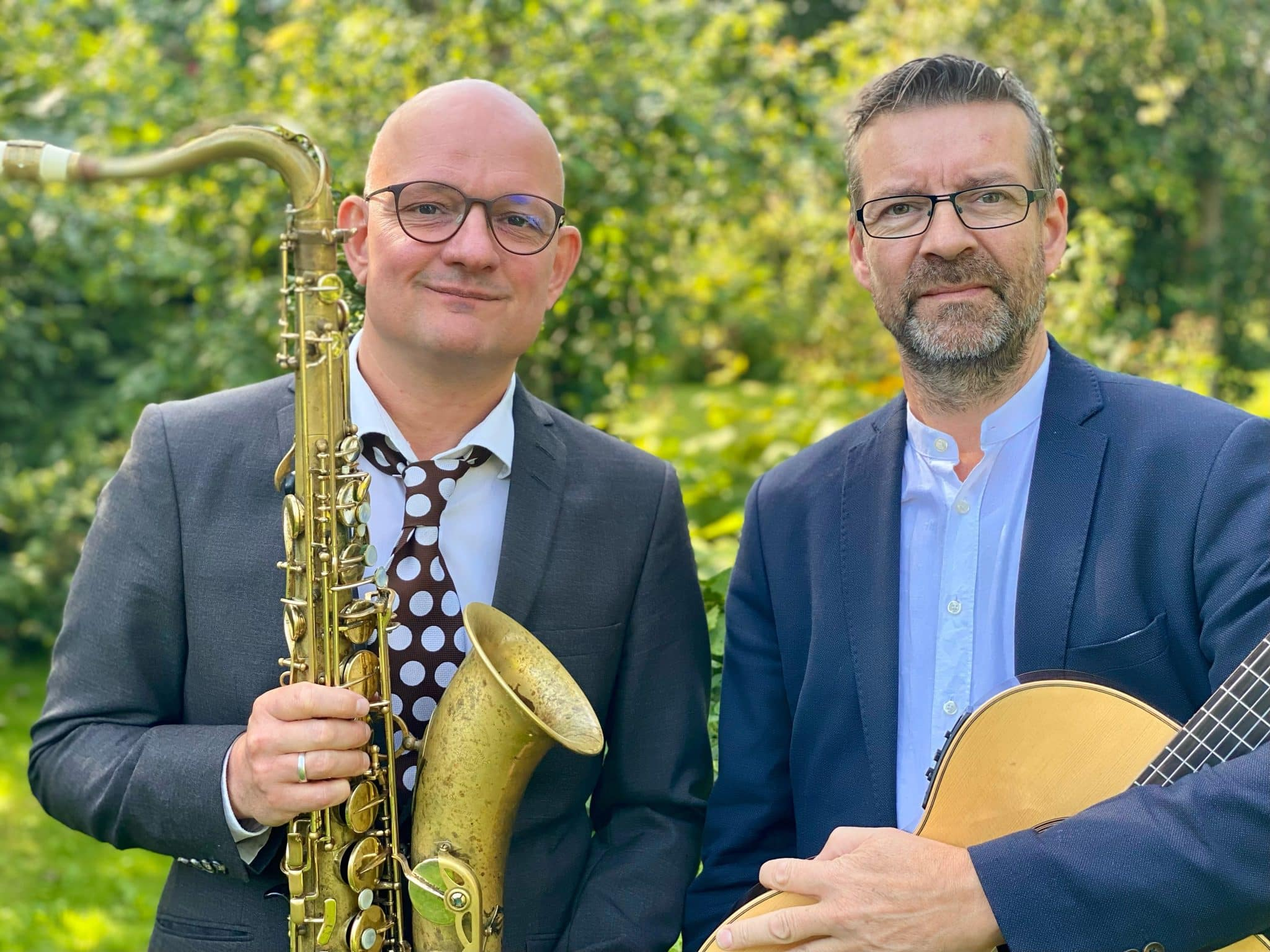
Billboard interviewed Carpenter and Davies about the project’s origins in a dream, Carpenter’s relationship with heavy metal and what his daily life looks like today. Appropriately, Davies joined the Zoom conversation while standing in front of a Gothic cathedral in Brussels.
John, I gather this concept came to you in a dream. Are your dreams always so terrifying?
John Carpenter: No, they’re not. This is just a narrative dream, which I don’t really have much. I usually have frustration dreams — I’m trying to direct, and no one will listen to me, and time is running out. I’m lost somewhere. But this dream was really elaborate, and it was a story borrowed heavily from Greek mythology, but a story nonetheless. I was amazed at it when I woke up, and I told Daniel and Cody and we decided to do an album.
What did you think of the dream when you first heard about it, Daniel?
Davies: Like John said, it was so vivid, and it just seemed like, “We have to do music for this.” As it evolved, when John told us the story, those images evoked a certain feeling and made us think of a certain sound. We just went with that, and it evolved from there.
So at what point did the graphic novel element come in?
Davies: That came later. John had this outline of the story, and that’s where we started the songwriting, based on that outline.
Carpenter: It started as an idea in my mind to do a graphic novel because my wife is the editor and publisher of a comic company [Storm King Comics]. So I thought, well, maybe we can do that. It came after the album was done — it was last year, basically, when they started writing. My wife Sandy [King] and Sean [Sobczak] fleshed out a lot of the characterizations and a lot of the situations — more than I had, because I basically had just an outline. The graphic novel is in more depth.
The album is a bit harder, rock-wise, than some of the stuff you’ve done before. Did it start out with that heavy metal vibe?
Davies: As John was describing these sequences in the story, it just seemed like it would lend itself to heavy guitars and big drums and choirs. Everything we do is based on feel, and it just felt right. We each bring in different sketches for different scenes and then work on them all together. It was all based on the story. The story led us down this path of a more heavy rock album.
Do you just improvise, and then afterward figure out, “OK, we have a song here”?
Davies: Yeah, kind of. Like on “Lord of the Underground,” John would say, “Hey, we need a heavy riff for this main sequence in the story, where there’s a battle with the main character and this demonlike figure.” Then he’d sketch out a little riff, and we’d build it from there.
The metal connection makes sense too, because it’s a cathedral, and there’s so much Catholic imagery that seems metal in a way. Statues of flayed saints, that kind of thing.
Carpenter: I guess it does.
In terms of music tastes, are either of you big metalheads, or is it just part of the palette of music that you listen to?
Carpenter: It’s part of the rich pageantry of humanity that passes by, and some of it is metal. I love Metallica. [The Black Album] is probably a high for me. I’m not overly crazed on metal. I don’t know about you, Daniel — would you describe yourself as a metalhead?
Davies: No, but like you’re saying, it’s just one of many types of music that I love. I don’t think about music in terms of categories — does it move me, and I go with it. We love Goblin, Metallica, Diamond Head, Ennio Morricone. It doesn’t matter. It’s just how you put the music together that gives it that heavy feel.
What was the graphic novel creation process like? How much of the storyboarding are you controlling as you go through this, if any of it?
Carpenter: I wrote an outline, and the outline guided Sandy and Sean. They would sit over one side of the room and go through the outline and flesh it out — work on the characterization, the action — and I would sit across from them playing video games and listening and pipe up when something I thought was important, but mainly they did it themselves. So that’s how it worked. It was all from the outline.
That’s a nice way to work. What video game were you playing?
Carpenter: Fallout 76.
You really can’t beat that. So you sit around playing video games and then pipe in where they were getting it right or wrong. How much artistic license did the illustrators get?
Carpenter: Total. I’d let them do their job. They weren’t around to tell me what chords to play; I’m not going to tell them how to draw. They were really talented artists. Let them go.
In the intro to the graphic novel, John, you say that in a different time you might have written a screenplay and made a movie, but times have changed. To your mind, what has changed that would prevent this from being a movie?
Carpenter: The film industry has definitely changed. [Spoiler alert ahead.] I could be wrong, but I’m not certain a studio would put up, say, $100 million for a movie in which the heroine blinds herself in the end. I just don’t think that’s gonna fly. Horror movies are seen as inexpensive, all throughout time. Rarely has one been a big, giant deal. The Silence of the Lambs was an A production, but mainly horror is thought of as B productions. I don’t think they would step up to the plate.
It would certainly be costly — creating an underworld, the special effects.
Carpenter: We’d have to build a whole bunch of that. But that’s my thought. And I don’t want to work that hard anymore.
That’s pretty reasonable. If you can sit around playing video games and make a graphic novel, why the hell would you want to get up at the crack of dawn to direct a movie?
Carpenter: Never truer words have been spoken.
I wanted to ask about live performances. Any chance you’re going to bring this to the stage — perform Cathedral live and maybe have elements of the graphic novel incorporated somehow?
Carpenter: Maybe. We’re not there yet. We’ll see how it goes. We did play last year around Halloween — we were playing live at the Belasco Theater, was it?
Davies: Yeah, the Belasco, down in downtown Los Angeles. We played “Lord of the Underground.”
Carpenter: We had played it, yeah. And there’s a live version of “Lord of the Underground” on the record.
With something like this, how much do you pay attention to the response? Do you read reviews, go online and see what people have to say about it?
Carpenter: Nah. I’m pretty happy with it myself. That’s not necessary.
Davies: It seems like the general vibe is that people are excited and happy about it. But I don’t get too in depth into reviews.
John, you’ve obviously been doing music longer than Cody or Daniel — but have they surpassed you at this point?
Carpenter: Way surpassed me. Well, it’s different. Daniel is a maestro on guitar, and Cody is a maestro on the keyboards. I can’t play anywhere near what they play. I have medium chops, and that’s that. It’s always been that way, so I don’t try to get out of my ability — I can’t do it. But I have the ability of coming up with rhymes and songs and tunes. Daniel and Cody are maestros. We all mesh really well together.
Davies: We all bring out the best in each other, and that’s what you hear when you listen to the music.
What was your first reaction when you got the final draft of this graphic novel and read it for the first time?
Carpenter: I just had it in my hands two or three nights ago for the first time, and it’s unbelievable. I’m just looking at the art, and these artists are real — they’re good, man. So I’m very excited by it. It’s wonderful.
Davies: As the images were coming in, we were floored by how good they were. Everything just seemed to work without difficulty. It all flowed. This project really flowed and felt really inspired.
Are you working on new material now? How frequently are the three of you hitting the studio?
Carpenter: We might be working on something new, and we might be working very hard on something new.
Davies: Yeah, we’re always writing music. We’re always working.
Earlier this year you did a Grammy Museum event with Claudio Simonetti. Would you ever invite someone like Claudio into the studio to contribute?
Carpenter: Absolutely. We’d love to play live with Claudio. That’d be so much fun.
I would pay good money to see that.
Carpenter: There you go. Well, you can send that money right now if you want.
I’ll get your Venmo. Obviously, one of the big technological innovations now affecting music, comics and film is AI. What are your thoughts about using AI for art, for cutting corners or whatever?
Carpenter: I’m not sure what I’d use. Do you have an idea about this, Daniel?
Davies: We enjoy making it, so right now I don’t see a use for that. If it could help be an assistant engineer — that would be nice. Predict when I want a new track and things like that. But as far as creating it, if AI makes it, then we didn’t make it. The joy of doing it is the making of it, for me — I think for all of us. So I don’t have a use for it in that way.
You do it because you love to do it, not just to get it done.
Carpenter: That’s correct.
John, have you had any other graphic-novel-worthy dreams since then?
Carpenter: I’m not going to tell you that.

Courtesy Sacred Bones Records